Invisalign vs. Braces for Adults in Redlands, CA: Which Option is Better for You?
Key Takeaways
- Invisalign uses clear, removable aligners to shift teeth, while braces use fixed brackets and wires.
- Adults may prefer Invisalign because the aligners are less noticeable and removable.
- Traditional braces may be recommended for complex bite corrections, severe crowding, or other cases that require more complex tooth movements.
- Invisalign treatment often takes about 12 to 18 months, although the timeline varies depending on the complexity of your case and how consistently you wear your aligners.
- Both options typically require retainers after treatment to help maintain your new tooth positions.
Have you ever wished your smile was just a little straighter? More adults than ever are looking for ways to improve their teeth alignment without feeling like a teenager again. The good news is that you have choices. Whether you are looking for Invisalign treatment in Redlands, CA or considering traditional braces, modern dentistry offers options for improving tooth alignment.
What This Blog Covers
- Understanding Your Teeth Alignment Options
- Invisalign Treatment in Redlands, CA: A Discreet Option
- The Role of Traditional Braces
- Comparing the Daily Life Experience: Invisalign vs. Braces
- Expected Timelines for Invisalign and Braces
- Cost and Value: Investing in Your Smile
- Which Orthodontic Treatment Is Better for Your Specific Needs?
Which Option Is Better for You?
The best choice between Invisalign and braces depends on your specific dental needs and lifestyle. If you have mild to moderate crowding and want a discreet, removable option, Invisalign may be appropriate for you. However, if you have complex bite issues or significant alignment concerns, traditional braces may be recommended. A dentist can evaluate your oral health, teeth, and bite to recommend the most appropriate option for your individual needs.
Understanding Your Teeth Alignment Options
For most adults, improving tooth alignment starts with a choice between two different options: braces and clear aligners.
Traditional braces use a system of metal or ceramic brackets attached to your teeth and connected by wires. These components apply controlled pressure to gradually move your teeth into the desired position. Because they are fixed in place, they work continuously without relying on you to remember to wear them.
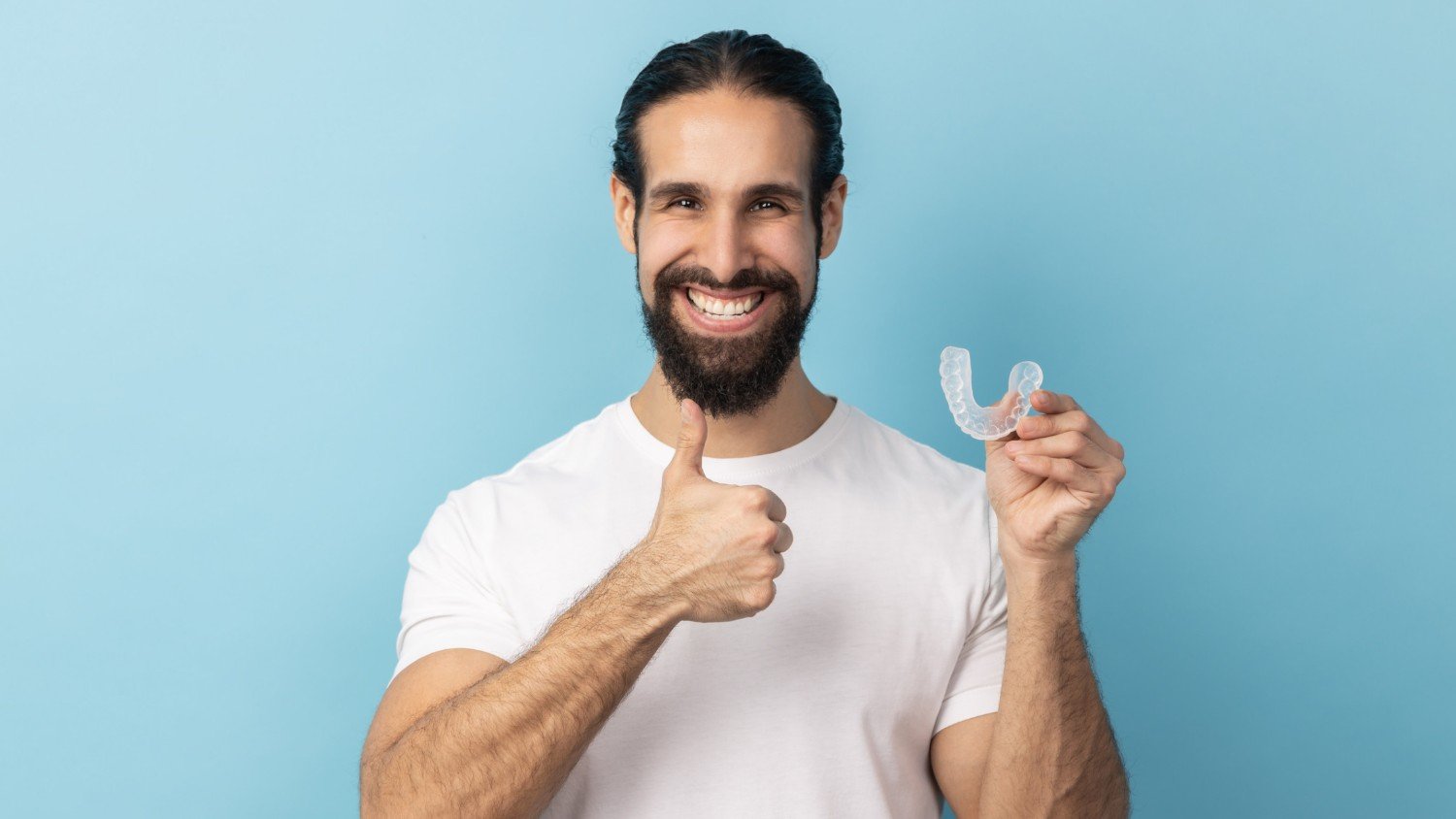
Invisalign treatment takes a different approach. Instead of metal brackets and wires, it uses a series of clear, removable aligners. You wear each set of aligners for a period determined by your treatment plan before moving to the next set. Each new aligner is shaped slightly differently to gradually move your teeth toward the planned position. One of the main benefits is that the aligners are removable.
Invisalign Treatment in Redlands, CA: A Discreet Option
If you are looking for Invisalign treatment in Redlands, CA, you may value a less noticeable option for straightening your teeth. The clear aligners are designed to fit over your teeth and can be a popular choice for adults who prefer a more discreet orthodontic option.
How Clear Aligner Technology Works
The process for Invisalign treatment begins with records and treatment planning. Depending on your dental provider and treatment plan, this may include digital scans or impressions of your teeth.
These records are used to plan your treatment and create a series of custom aligners. Your dentist will explain how your teeth are expected to move throughout the process and what to expect during treatment.
Why Adults Prefer Removable Aligners
The flexibility of Invisalign is one of its main benefits. Because the aligners are removable, you can take them out before eating and then brush and floss as usual.
However, Invisalign requires consistent wear. Your dentist will provide instructions about how long you should wear your aligners each day. Not wearing them as directed may affect your progress and could extend your treatment timeline.
The Role of Traditional Braces
While clear aligners are popular, traditional braces remain an effective option for many orthodontic concerns.
When Braces May Be Recommended
Traditional braces can address a wide range of alignment and bite concerns. If you have a severe overbite, underbite, significant crowding, or teeth that require complex movement, your dentist may recommend braces.
Because braces are fixed to your teeth, they apply continuous force without relying on you to remember to wear removable aligners.
Modern Braces: Metal vs. Ceramic
Braces are available in different materials. Metal braces use metal brackets and wires, while ceramic braces use tooth-colored or clear brackets that may be less noticeable.
The most appropriate option depends on your orthodontic needs and your dentist's recommendation.
Comparing the Daily Life Experience: Invisalign vs. Braces
How your orthodontic option fits into your daily routine can be an important part of your decision.
Eating, Drinking, and Socializing
One benefit of Invisalign for adults is that the aligners are less noticeable than traditional braces. However, they need to be worn consistently according to your dentist's instructions. Removing them for extended periods or not wearing them as directed can affect treatment progress.
With braces, the brackets and wires remain in place throughout treatment. You may also need to avoid certain hard, sticky, or chewy foods that could damage the brackets or wires.
Cleaning and Maintenance
Maintaining oral hygiene is different with each option.
|
Feature |
Invisalign |
Braces |
|
Brushing |
Remove aligners and brush normally |
Clean carefully around brackets and wires |
|
Flossing |
Remove aligners before flossing |
May require floss threaders or other tools |
|
Dietary Rules |
Remove aligners before eating |
Certain hard, sticky, or chewy foods may need to be avoided |
|
Repairs |
Aligners may need replacement if lost or damaged |
Brackets or wires may occasionally require repair |
With Invisalign, you remove the aligners before brushing and flossing. With braces, food particles can collect around brackets and wires, so cleaning may require extra time and additional tools, such as interdental brushes.
Expected Timelines for Invisalign and Braces
Time is a major factor for many adults considering orthodontic treatment.
Invisalign treatment for adults may take about 12 to 18 months, while mild cases may take less time. Traditional braces may take approximately 18 months to 2 years, and more complex cases can take longer. Your treatment timeline will depend on factors such as the complexity of your alignment or bite concerns, your individual treatment needs, and, for Invisalign, how consistently you wear your aligners.
Your First Month Adjustment Period
The first few weeks of orthodontic treatment can involve an adjustment period, although each person's experience may vary.
- Week 1: You may experience pressure or tenderness as your teeth begin to move. Your speech may also change slightly as you adjust to aligners or braces.
- Week 2: Initial soreness may begin to improve as you become more familiar with your daily routine.
- Weeks 3-4: You may become more comfortable with wearing your aligners or caring for your braces. Your experience can vary depending on your individual treatment plan.
Cost and Value: Investing in Your Smile
The cost of Invisalign treatment or braces can vary depending on the complexity of your case, the length of treatment, the type of orthodontic option, and your individual needs.
Insurance coverage for adult orthodontics varies by plan. Some plans may provide orthodontic benefits, while others may have limitations or exclusions. Payment options also vary by dental office.
Which Orthodontic Treatment Is Better for Your Specific Needs?
Choosing between Invisalign and braces is a personal decision, but your dental needs should play an important role.
You may want to consider Invisalign treatment if:
- You prefer a less noticeable orthodontic option.
- You want the flexibility to remove your aligners for eating and oral hygiene.
- You can wear your aligners consistently according to your dentist's instructions.
You may want to consider traditional braces if:
- You have a complex bite or significant alignment concerns.
- Your dentist determines that braces are better suited to the tooth movements you need.
- You prefer a fixed orthodontic option that does not need to be removed and replaced.
FAQs
Q. Is Invisalign Faster Than Braces for Adults?
A. Not necessarily. Treatment time depends on the complexity of your case, the type of tooth movement required, and how consistently you follow your treatment instructions. Invisalign may take less time in some cases, while braces may be more appropriate for others.
Q. Can I Get Invisalign if I Had Braces as a Kid?
A. Yes. Some adults choose Invisalign treatment when their teeth shift after previous orthodontic treatment. A dental evaluation can determine whether Invisalign is an appropriate option for your current alignment concerns.
Q. Will Invisalign Affect How I Talk?
A. You may notice a slight change in your speech when you first begin wearing aligners. This often improves as you become accustomed to them, although the adjustment period varies between patients.
Q. Do I Have to Wear a Retainer Forever?
A. Retainers are typically recommended after orthodontic treatment to help maintain your new tooth positions. Your dentist can recommend a retainer schedule based on your individual needs.
Q. Are Clear Aligners as Effective as Metal Braces?
A. Both clear aligners and braces can be effective orthodontic options. The most appropriate choice depends on your alignment concerns, bite, and the type of tooth movement required.
Q. Does It Hurt to Get Your Teeth Straightened as an Adult?
A. You may experience pressure or tenderness when starting a new set of aligners or after adjustments to braces. The level and duration of discomfort vary between patients and throughout treatment.
Rana Dentistry provides Invisalign treatment in Redlands, CA for adults looking for a clear and removable option for straightening their teeth. Our team can evaluate your dental needs and discuss whether Invisalign treatment or another orthodontic option may be appropriate for your smile.
If you are searching for Invisalign near me, we can help you explore your teeth-straightening options.
Contact Rana Dentistry to schedule a consultation and learn which orthodontic option may be right for your smile.
Conclusion
Choosing between Invisalign and traditional braces depends on your teeth, bite, lifestyle, and individual orthodontic needs. Both options can help address alignment concerns, but the most appropriate choice varies from person to person.
A dental evaluation can help you understand your options and determine which orthodontic approach is best suited to your needs.